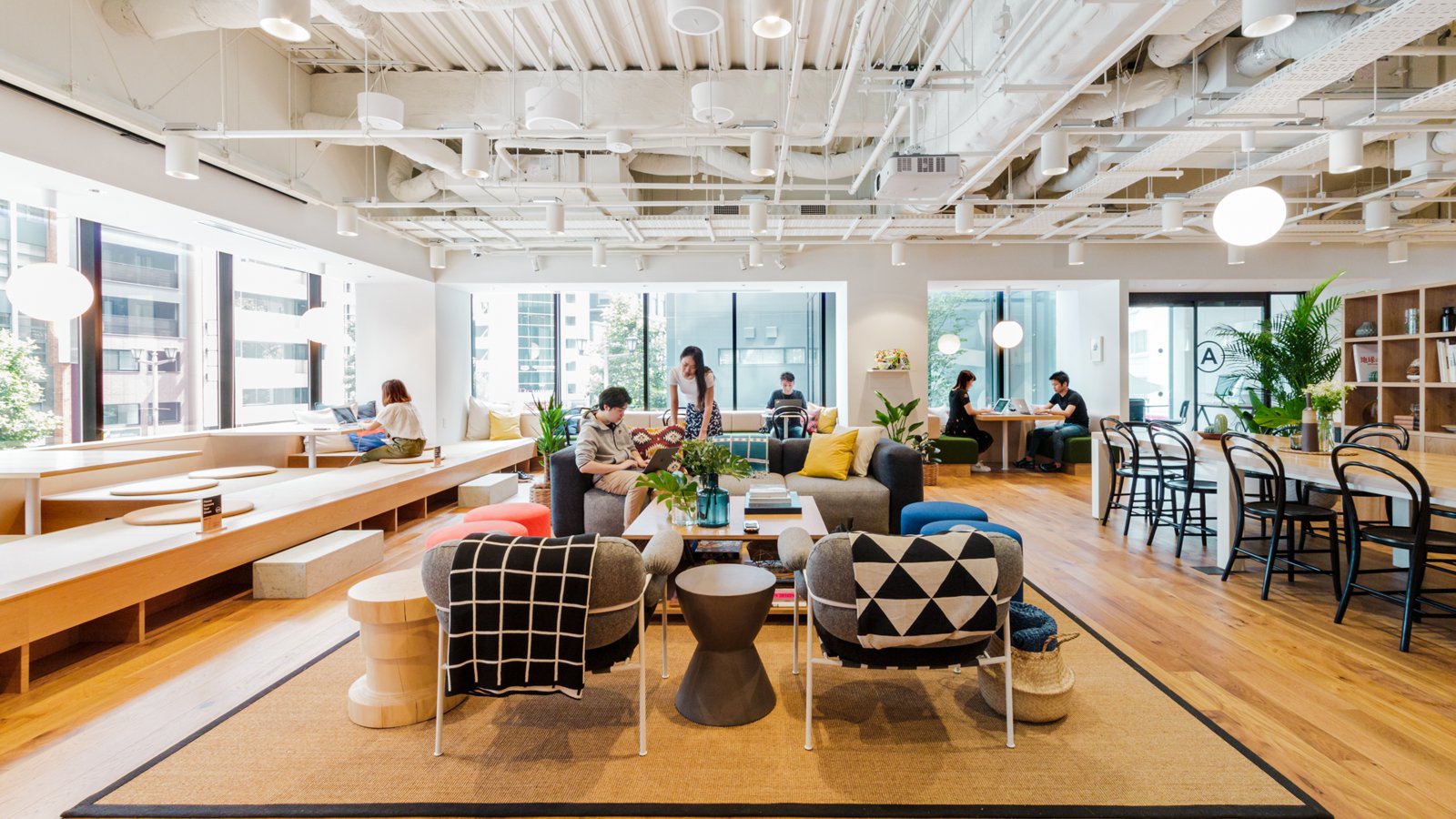
Chiyoda is where corporate Tokyo keeps its head offices. The ward wraps around the Imperial Palace and contains Tokyo Station, the ministries, the major banks and the country's densest cluster of Grade A towers. Our catalogue lists 40 buildings and 255 listings across it — but "Chiyoda" covers several very different neighbourhoods, and the choice between them is the real decision.
Marunouchi and Otemachi: the address
The blocks between Tokyo Station and the palace moat are the most expensive office ground in Japan, and deliberately so. Towers here are large, new or recently rebuilt, and managed to a standard that multinational tenants and financial institutions expect. Underground concourses connect much of the district, which matters more than it sounds during the rainy season and in August.
This is the right choice when the address itself does commercial work — when clients, regulators or overseas head office read it as a signal. It is the wrong choice when you simply need desks, because you will pay the signalling premium either way.
Kojimachi and Hanzomon: the quieter half
West of the palace the ward changes character. Kojimachi, Hanzomon and Yotsuya are calmer, lower-rise and dominated by mid-sized buildings rather than towers. Law firms, associations, publishers and government-adjacent organisations cluster here, drawn by proximity to the ministries without the Marunouchi rent.
Buildings in our Chiyoda set sit close to their stations — WeWork Hanzomon Prex North and South are both about two minutes from Hanzomon, and WeWork Tokyu Yotsuya about three from Yotsuya. For a team that wants a central Chiyoda address and does not need a tower, this is usually the better value.
Kanda and Akihabara: the working edge
The northeast of the ward — Kanda, Jimbocho, toward Akihabara — is the ward's practical end. Smaller floor plates, older stock, and a long-standing concentration of IT firms, trading companies, publishers and professional practices. Rents drop noticeably against Marunouchi while the Chiyoda address and the Tokyo Station access remain. If you are weighing this area specifically, our Kanda office rental guide covers it in more detail in Japanese.
Transport
Chiyoda's advantage is interchange density. Tokyo Station puts the Shinkansen and most JR lines in one place; Otemachi links five subway lines; Yotsuya, Ichigaya and Hanzomon spread coverage west. For a team drawn from across the Kanto region, almost nowhere else in Tokyo averages a shorter commute — a real consideration where employers reimburse fares.
Comparing what is available
Sizes in the Tokyo catalogue run from 4 m² to 720 m² with a median of 27 m², and Chiyoda covers most of that range: single desks in managed centres through to whole floors. Filter the Chiyoda office listings by size and monthly budget to see photos, price in yen and walking minutes from the nearest station side by side.